Early Life
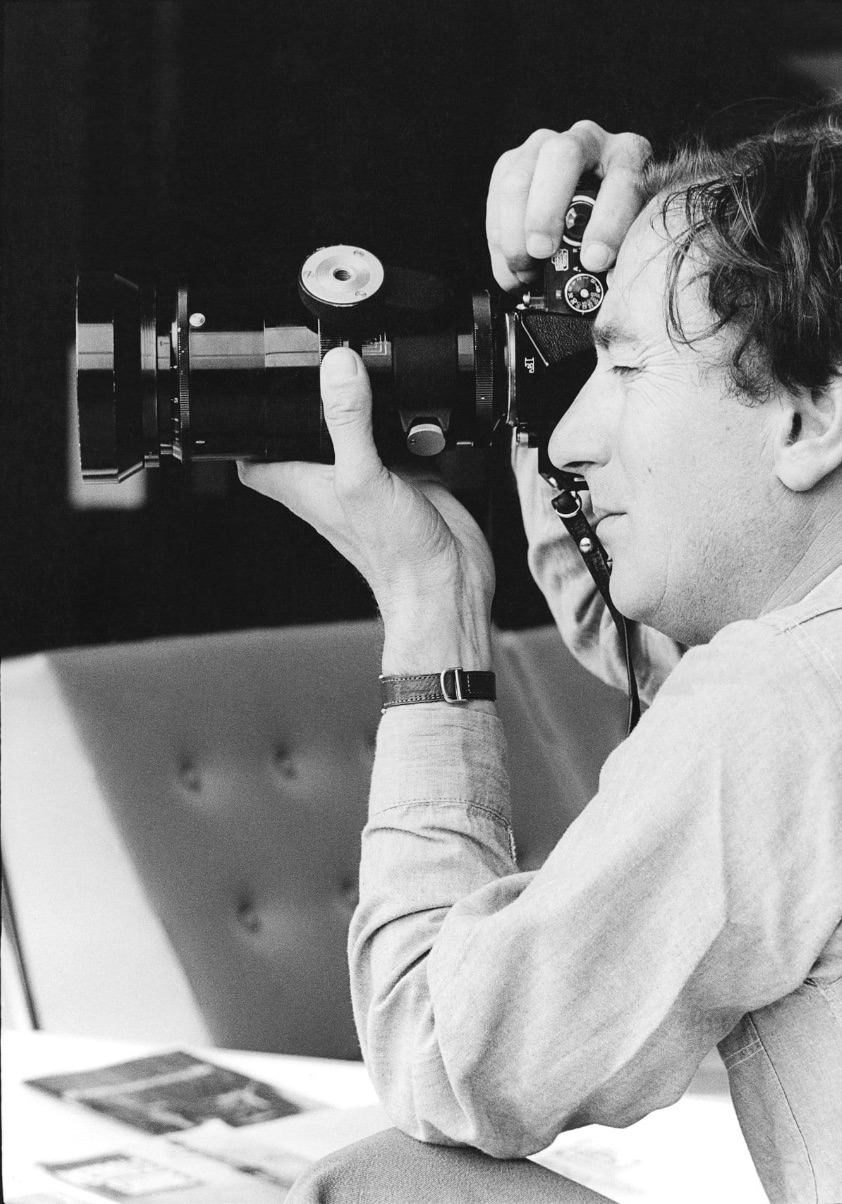
Willy Rizzo (1928–2013) was an Italian photographer and designer whose work captured the spirit of modern elegance. Born in Naples and raised in France, he began experimenting with photography at the age of twelve after receiving an Agfa Box camera from his mother. While attending the Istituto Statale Italiano Leonardo Da Vinci in Paris, he began taking portraits of his classmates, developing an early instinct for composition and light.
In the 1940s, Rizzo started his career as a photojournalist for publications such as Ciné Mondial, Point de Vue, and Image du Monde. His assignments took him from the Nuremberg Trials to the battlefields of North Africa, where his striking images of the Tunisian front were later published in Life Magazine.
After the war, he joined France Dimanche and became known for his portraits of the world’s elite at events such as the Cannes Film Festival. His charm and natural sense of style opened doors to royalty, film stars, and dignitaries, allowing him to capture candid moments of glamour and intimacy. In 1947, he moved to New York with the Black Star Agency to photograph American cinema culture before returning to Paris two years later to join Paris Match as head photographer.
For two decades, Rizzo documented the Dolce Vita generation. His lens followed figures such as Brigitte Bardot, Maria Callas, Salvador Dalí, Marlene Dietrich, Jane Fonda, Gene Kelly, and Gregory Peck, while his friendships with Coco Chanel, Christian Dior, and Jack N
Photographer of the Jet set
After the war, Rizzo joined France Dimanche and became known for his portraits of the world’s elite at events such as the Cannes Film Festival. His charm and natural sense of style opened doors to royalty, film stars, and dignitaries, allowing him to capture candid moments of glamour and intimacy. In 1947, he moved to New York with the Black Star Agency to photograph American cinema culture before returning to Paris two years later to join Paris Match as head photographer.
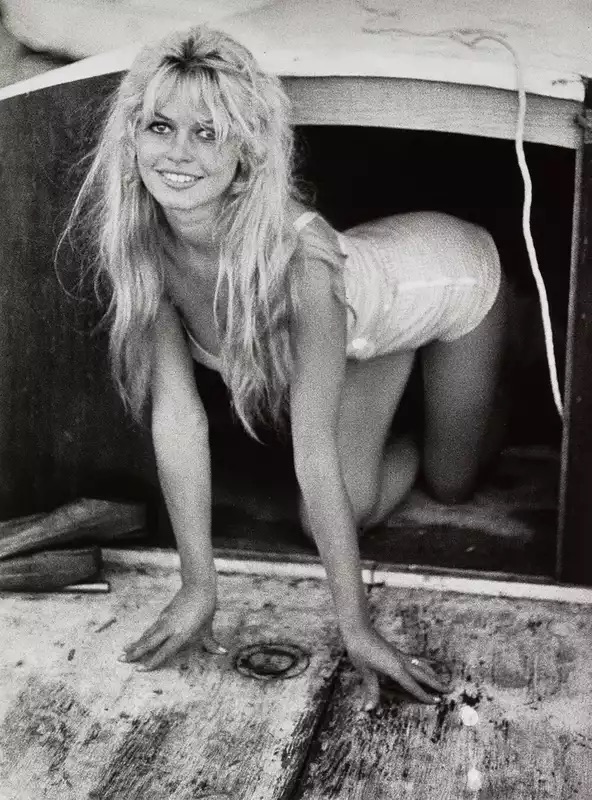
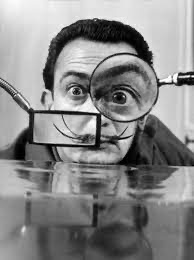
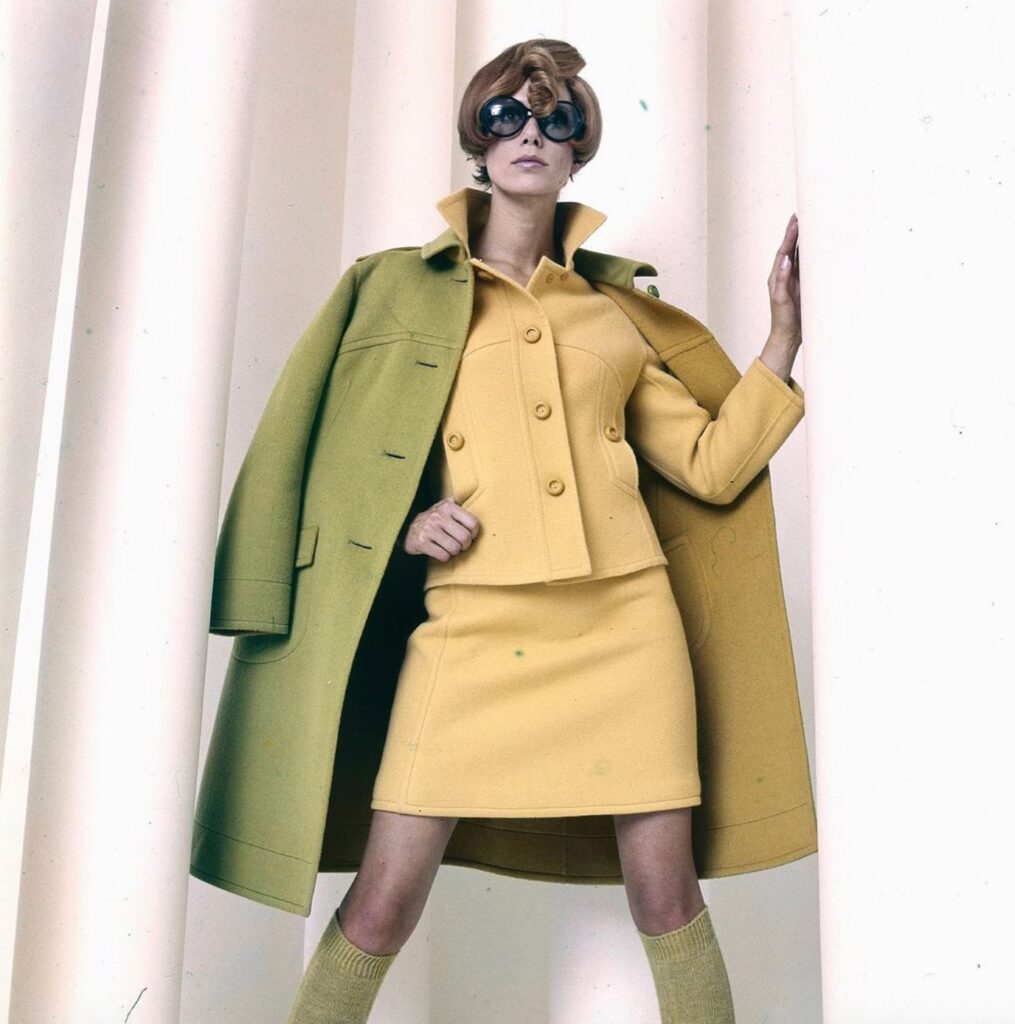
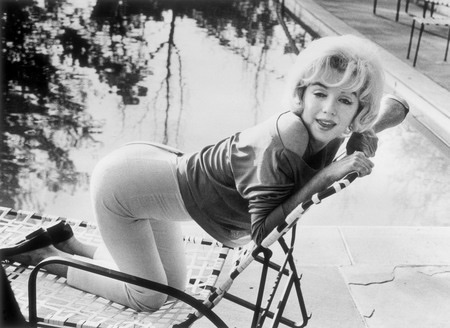
For two decades, Rizzo documented the Dolce Vita generation. His lens followed figures such as Brigitte Bardot, Maria Callas, Salvador Dalí, Marlene Dietrich, Jane Fonda, Gene Kelly, and Gregory Peck, while his friendships with Coco Chanel, Christian Dior, and Jack Nicholson reflected his position at the heart of an international creative circle. In 1959, he became artistic director of Marie Claire and collaborated with Vogue and other major fashion magazines, helping shape the visual identity of postwar style.
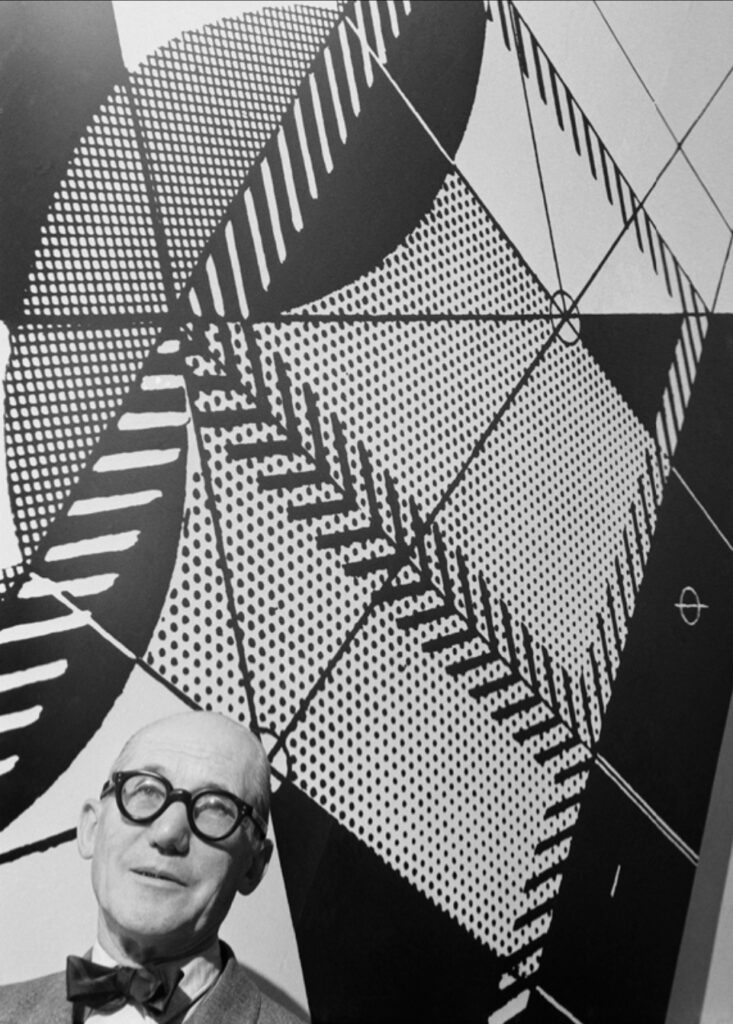
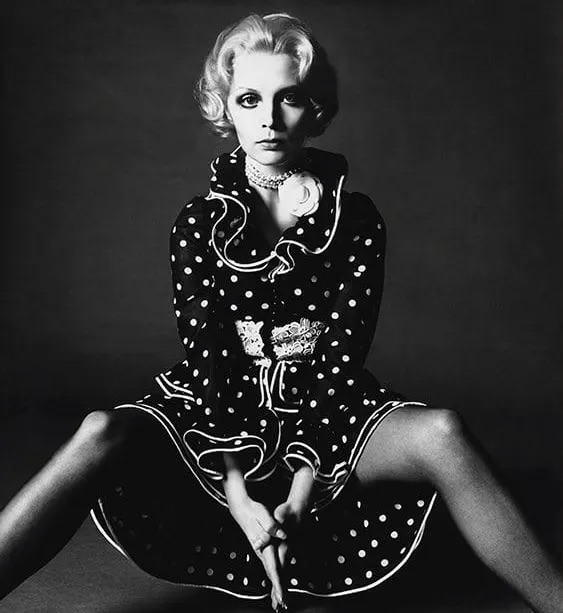
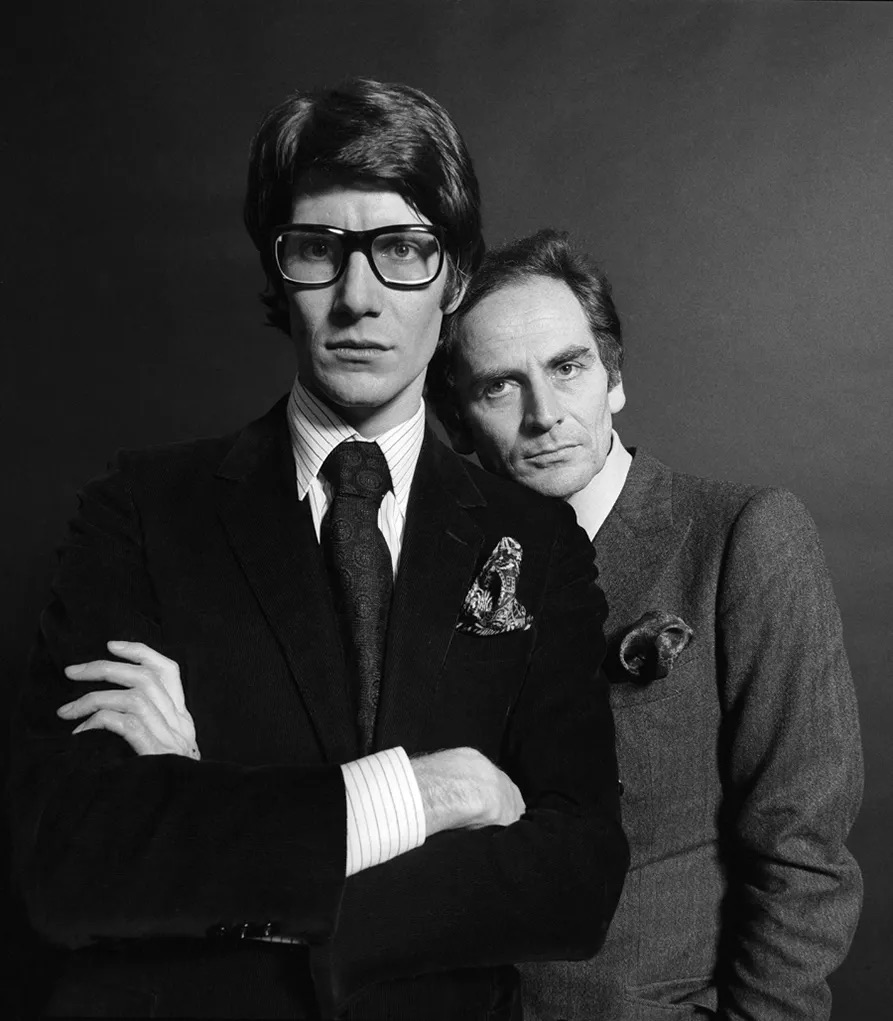
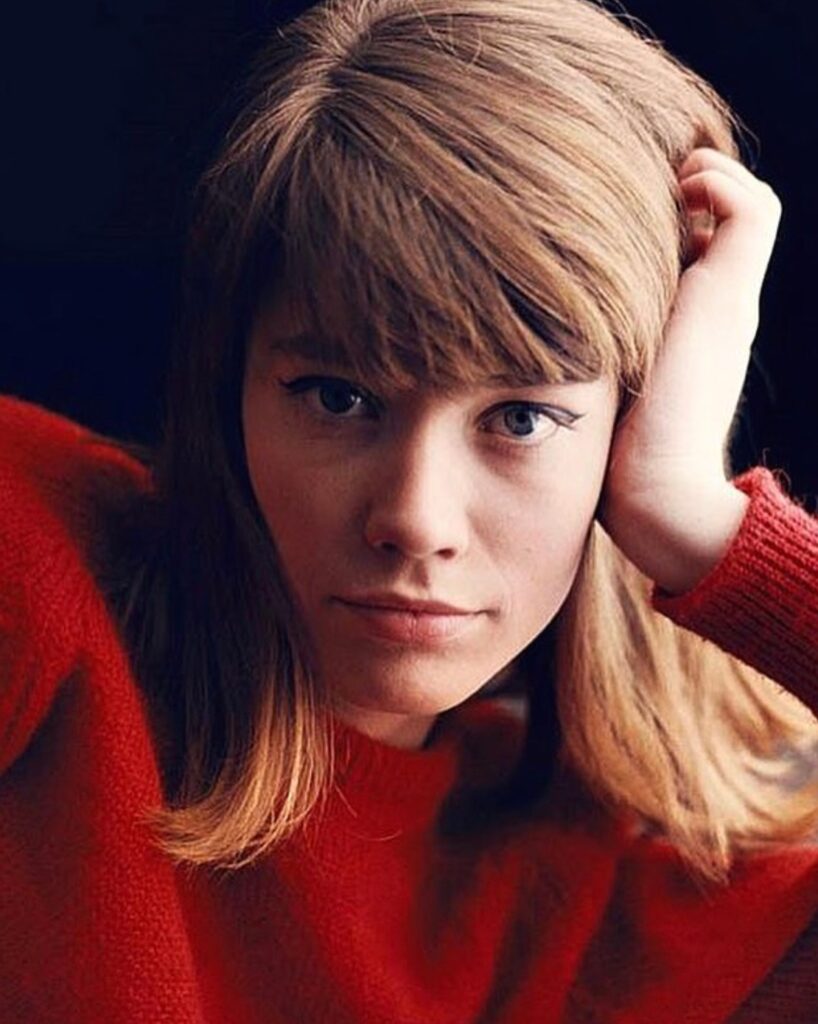
By the early 1960s, Willy Rizzo was both an observer and participant in La Dolce Vita, the glamorous world of film stars and jet-set society that defined the era. His photographs expressed the ease and refinement of that lifestyle, balancing spontaneity with elegant restraint.

The designer path
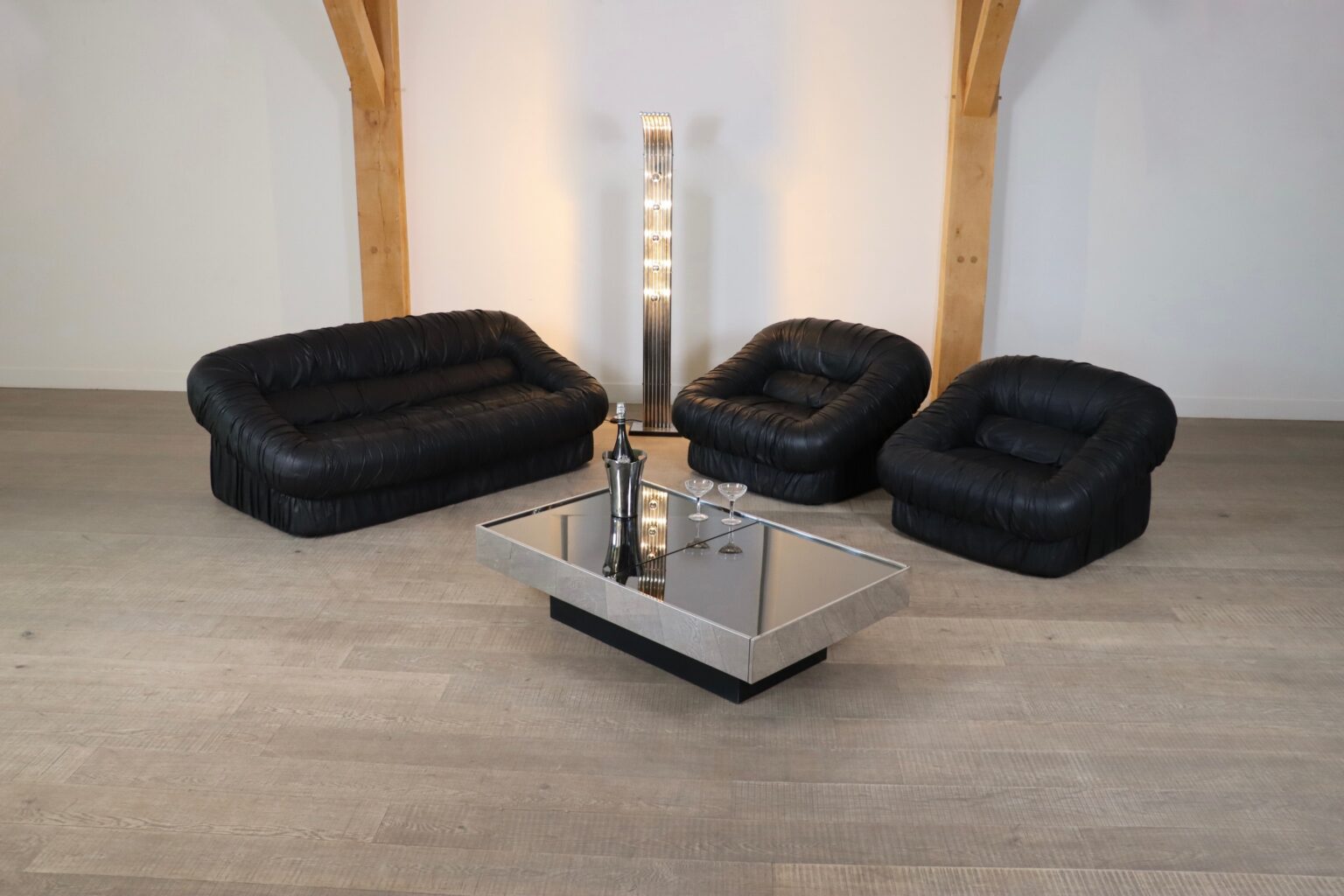
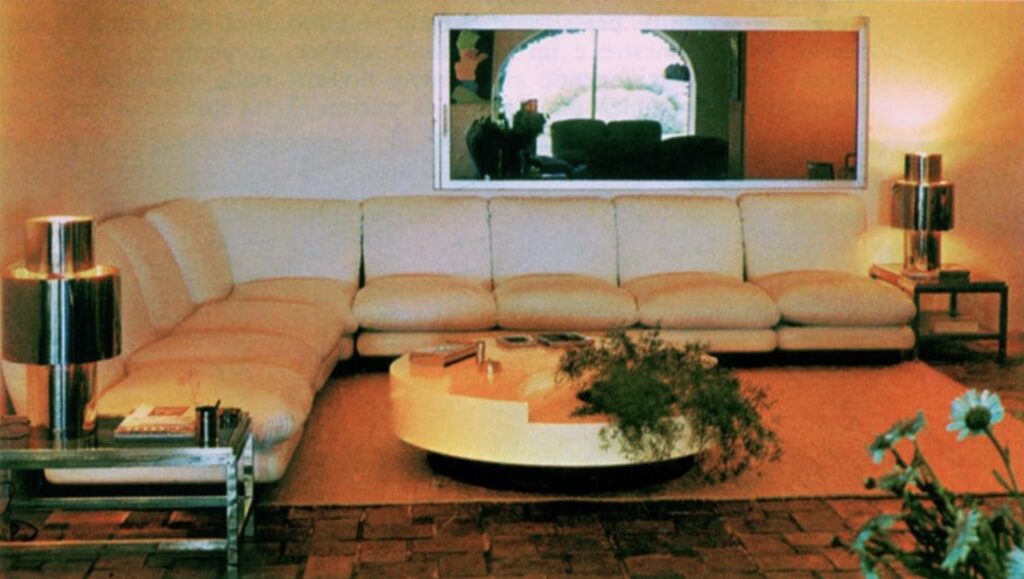
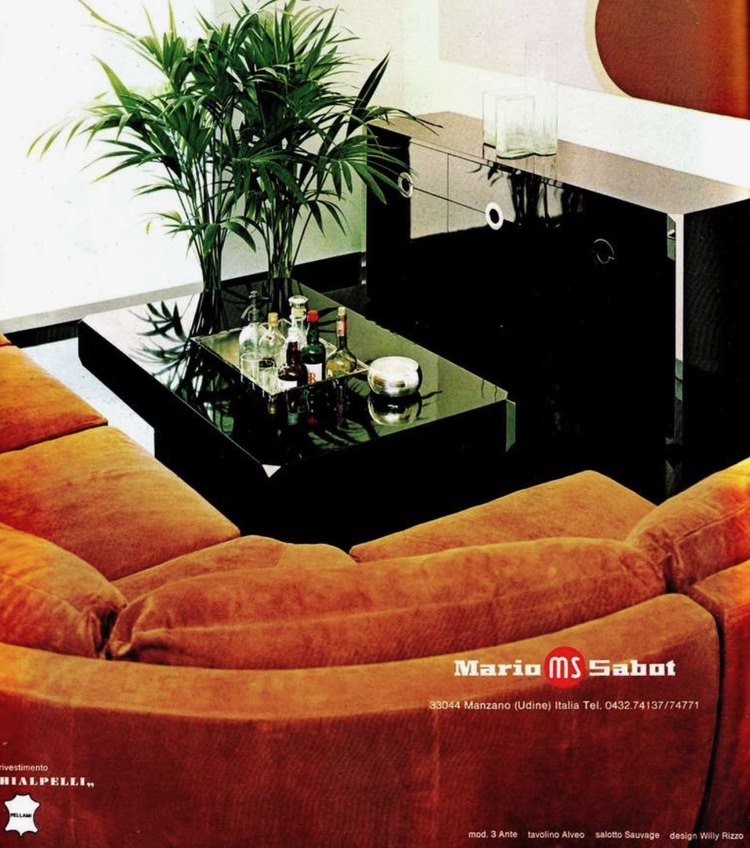
In 1968, Rizzo married Italian actress Elsa Martinelli and moved to Rome, where a personal need for well-designed furniture marked the beginning of his second career. When he found himself unable to source pieces that were both comfortable and luxurious, he began designing his own. The results low tables, consoles and sofas for his apartment overlooking Piazza di Spagna.
Friends and clients from the worlds of fashion, film, and art among them Brigitte Bardot, Salvador Dalí, Ghighi Cassini, and Rodolfo Parisi soon commissioned pieces of their own as they were stunned by his designs.His refined sense of proportion and his photographic understanding of light translated naturally into design. By 1970, he had founded a workshop near Tivoli, producing furniture by hand in noble materials such as brass, marble, stainless steel, lacquered wood. His team grew rapidly from eight artisans to over one hundred fifty, and he established showrooms across Europe and in New York, Miami, and Los Angeles.
The Rizzo Style
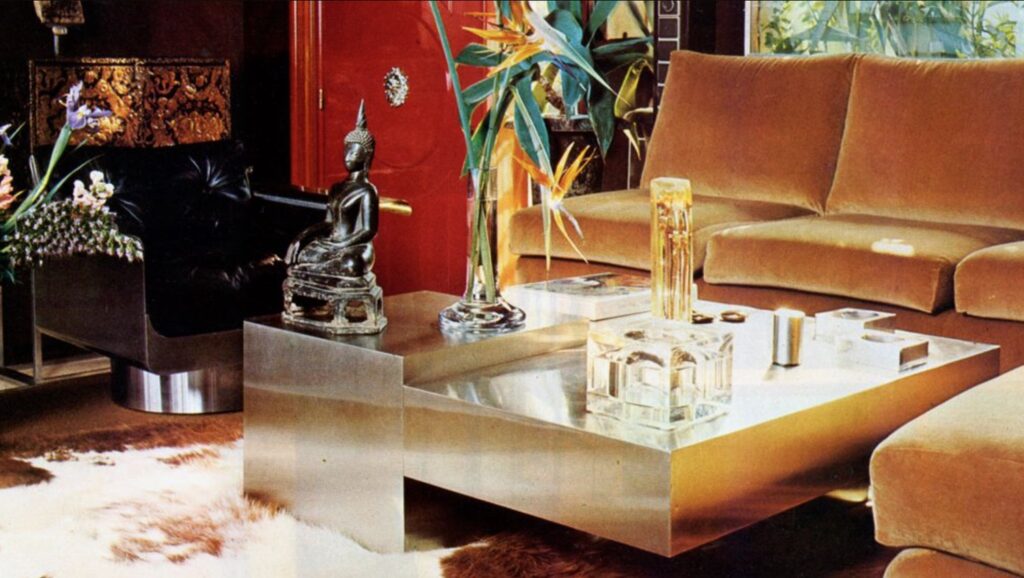
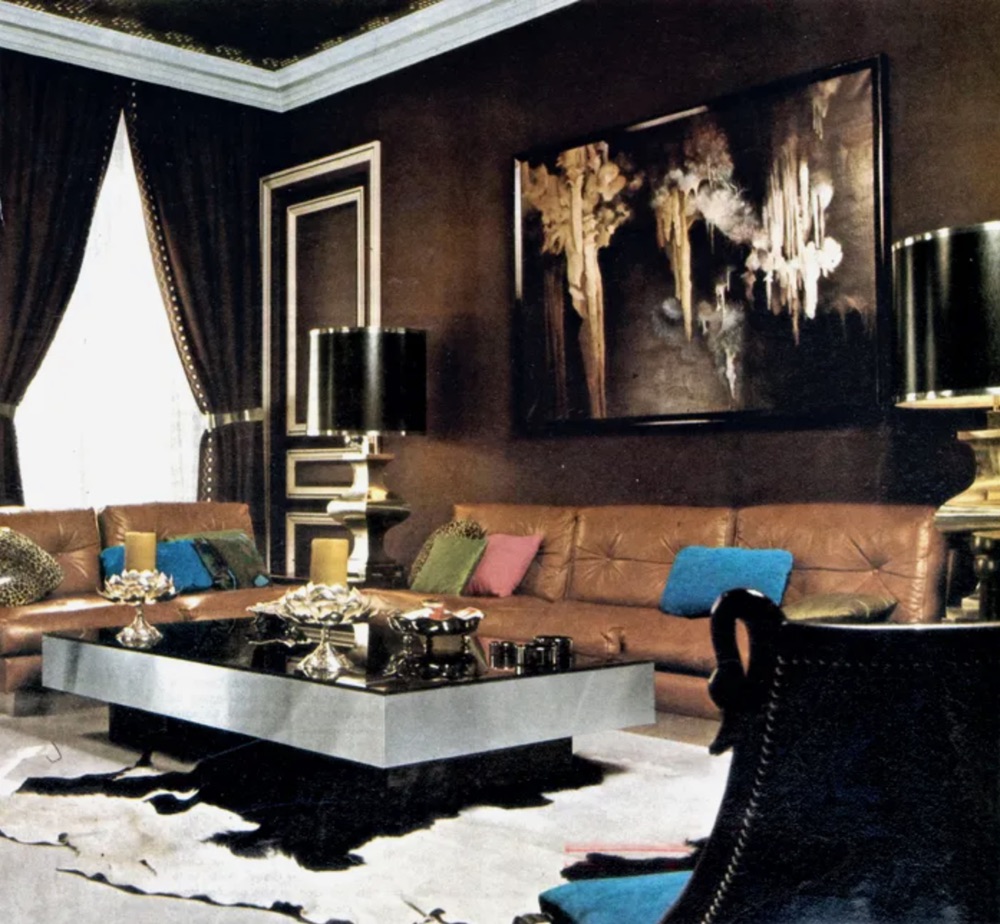
Rizzo’s designs embody a distinctive modern Italian aesthetic clean lines, geometric clarity, and rich material contrast. His preference for steel, brass, and marble reflected a desire for timelessness rather than trend. While many of his contemporaries experimented with plastic and industrial fabrication, Rizzo remained faithful to artisanal methods and natural finishes.
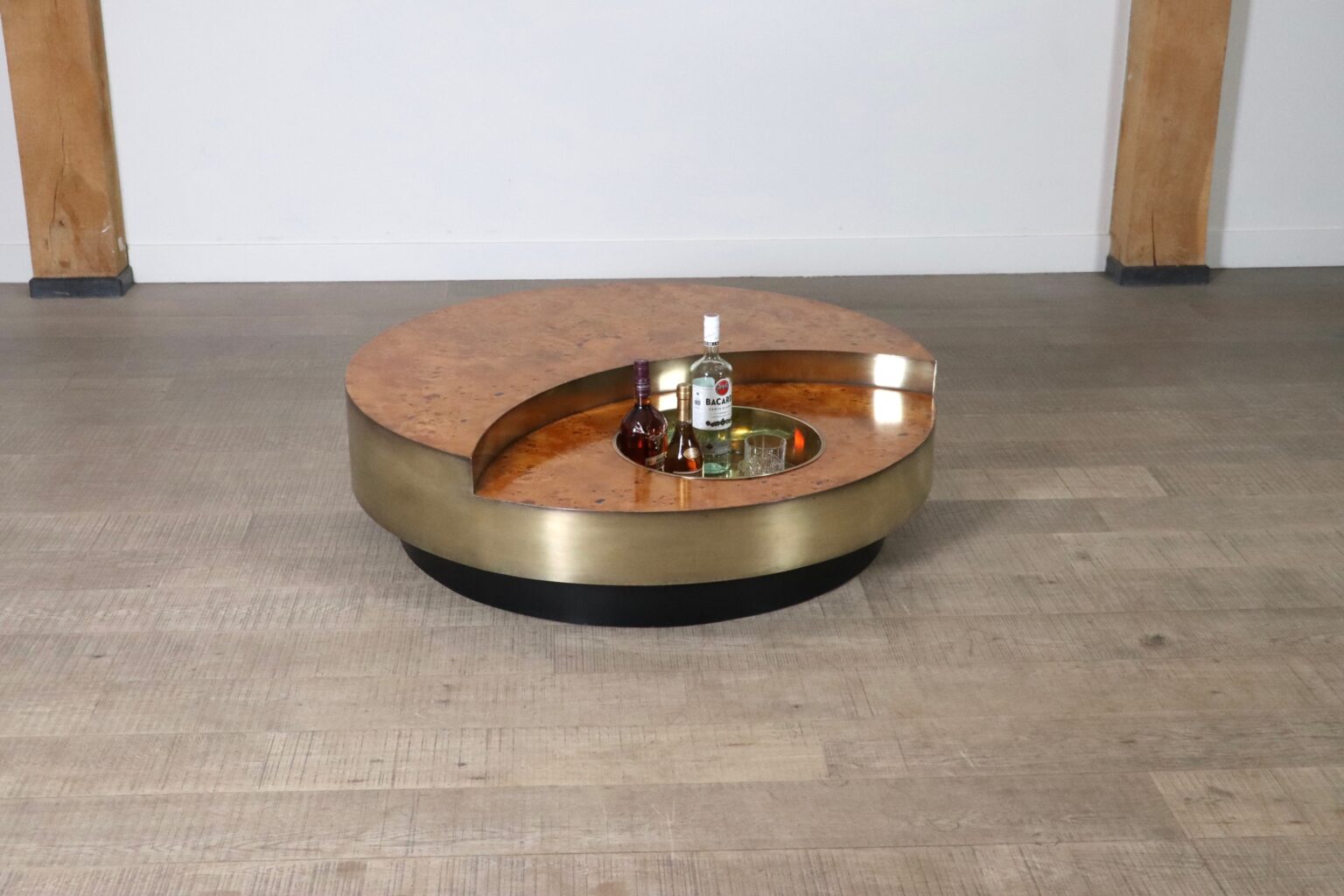
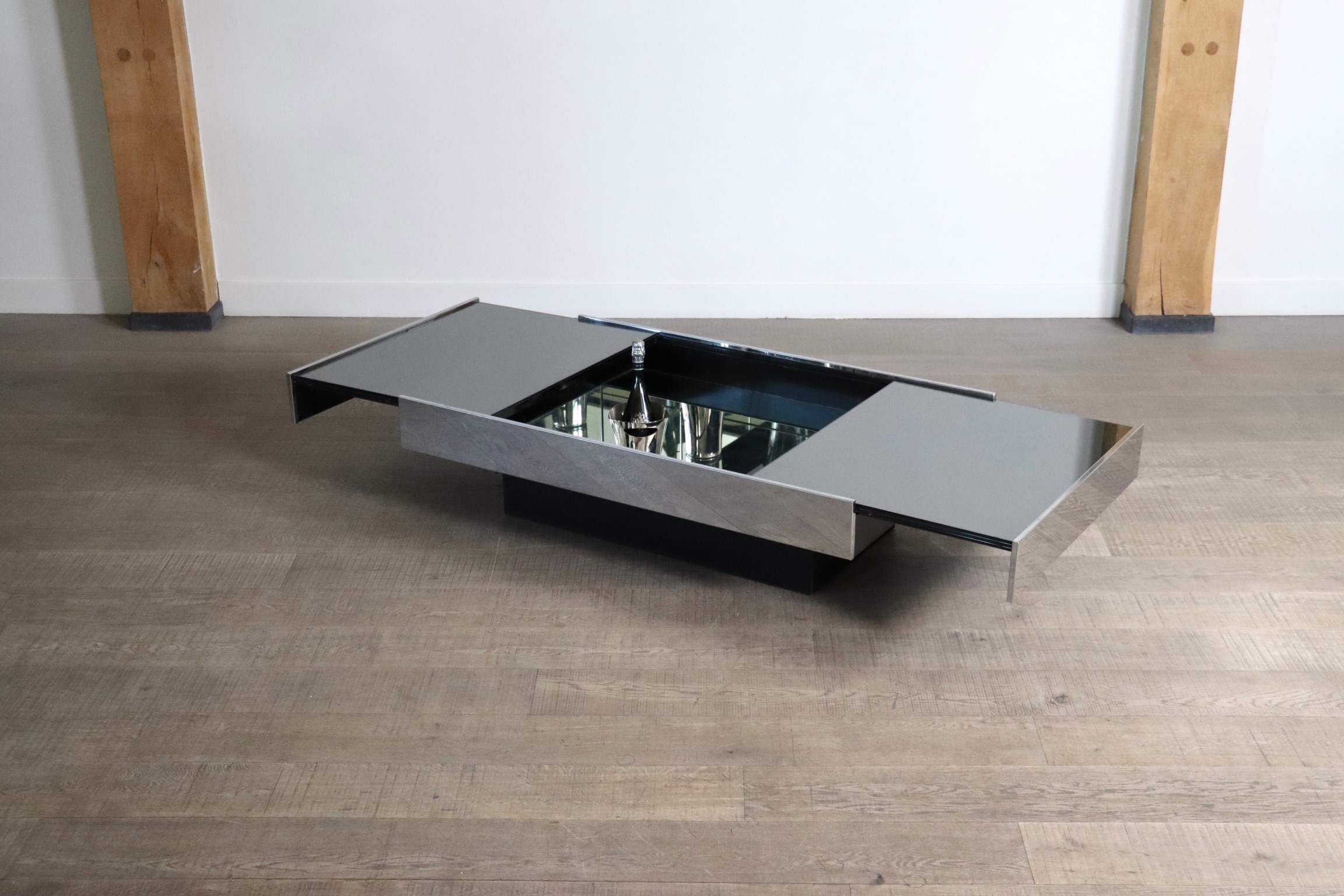
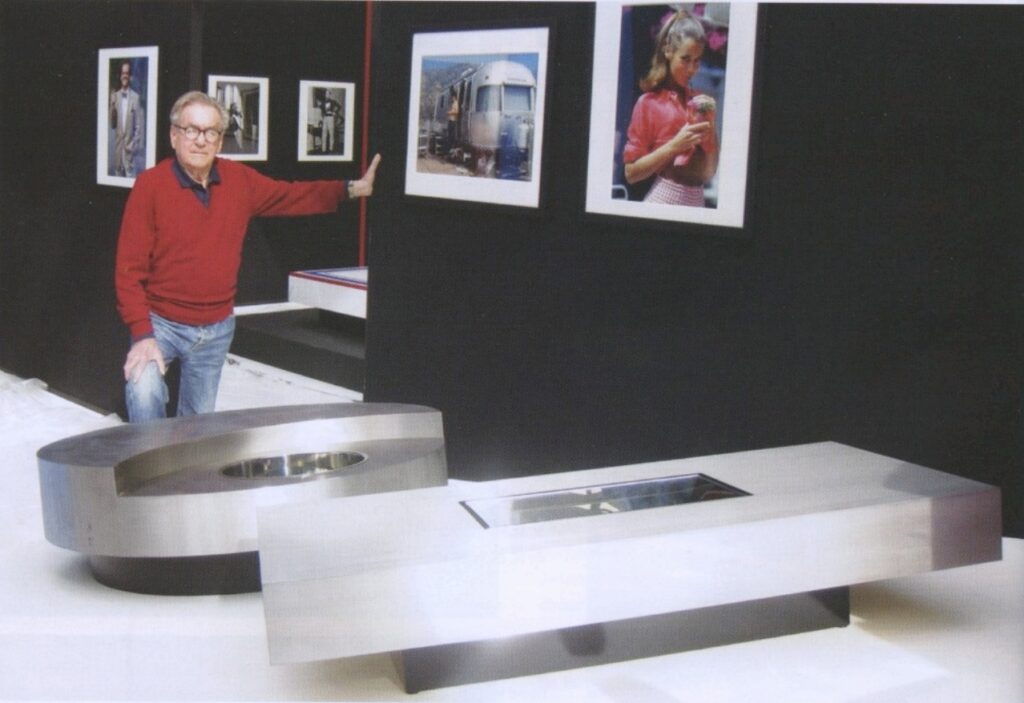
His Alveo Coffee Table and Yin Yang Coffee Table, both created in the 1970s, demonstrate his ability to combine sculptural form with functional purpose. Other works, such as his low tables with integrated trays or storage compartments, illustrate a mastery of balance and practicality. These pieces became hallmarks of 1970s interior design sophisticated yet versatile, designed to complement both classical and contemporary spaces.
Rizzo’s furniture quickly gained international recognition and was admired by collectors and architects. He designed interiors for Italian aristocracy, including apartments in the Palazzo Borghese and Palazzo Ruspoli in Rome. His approach emphasized comfort and proportion, producing environments that felt both composed and lived in.
Later Years and Legacy
In 1978, after a decade of intense production, Rizzo sold his company and returned to photography. Yet he never fully abandoned design. Until his passing in Paris in 2013, he continued to sketch, experiment, and refine his ideas. His wife Dominique and their daughters now oversee the Willy Rizzo Studio in Paris, continuing to preserve and present his dual legacy of photography and design.
His work has been exhibited internationally, including at the Metropolitan Museum of Art in New York, the Opera Gallery in Monaco, and numerous institutions dedicated to 20th-century design. The Elliptical Marble Table, one of his most iconic creations, is part of the permanent collection at the Museum of Modern Art in New York.
Today, vintage Willy Rizzo furniture remains highly collectible and sought after by designers and connoisseurs worldwide. His creations represent the harmony between precision and imagination a rare blend of modern sophistication and timeless restraint.
Explore Original Willy Rizzo Designs
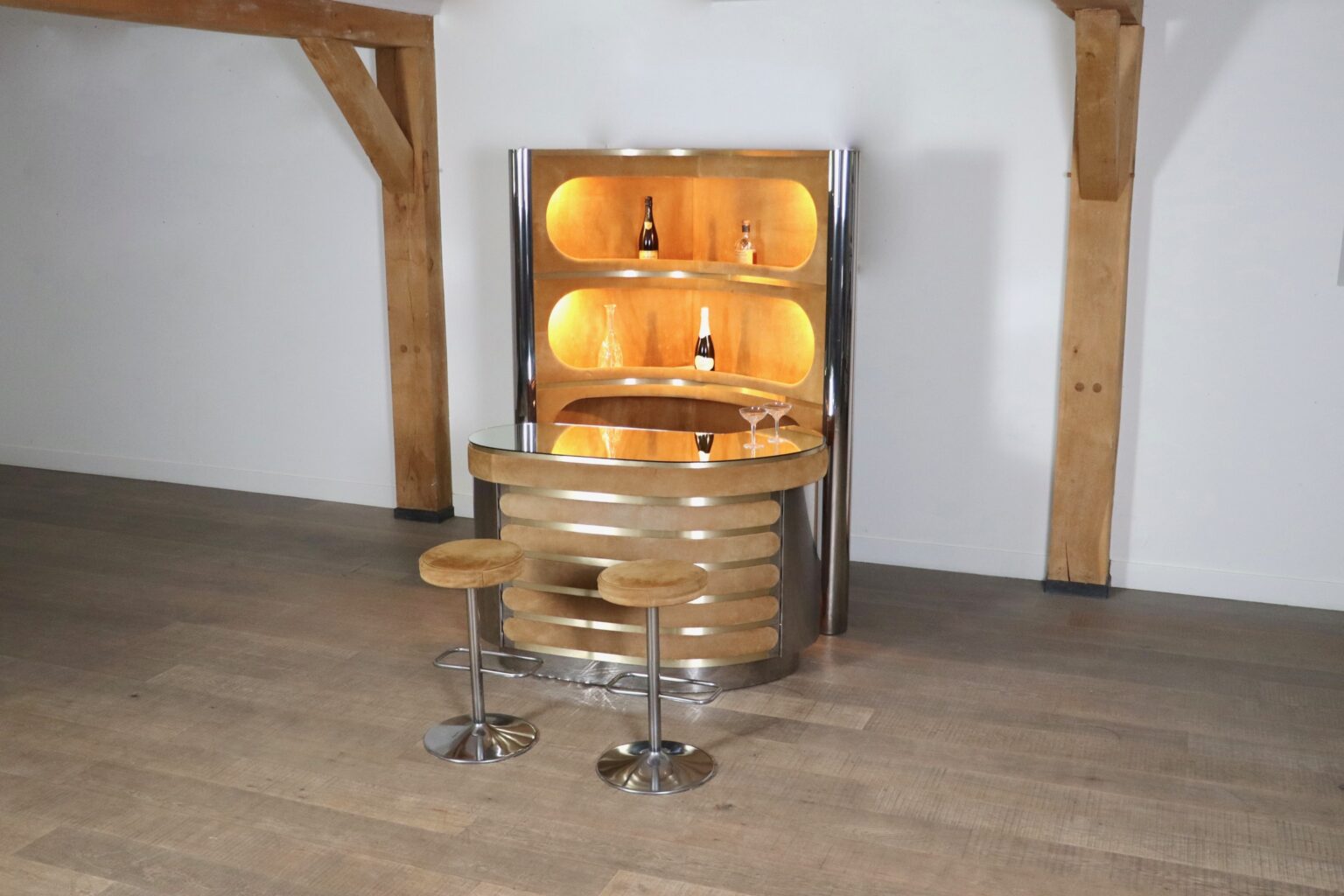
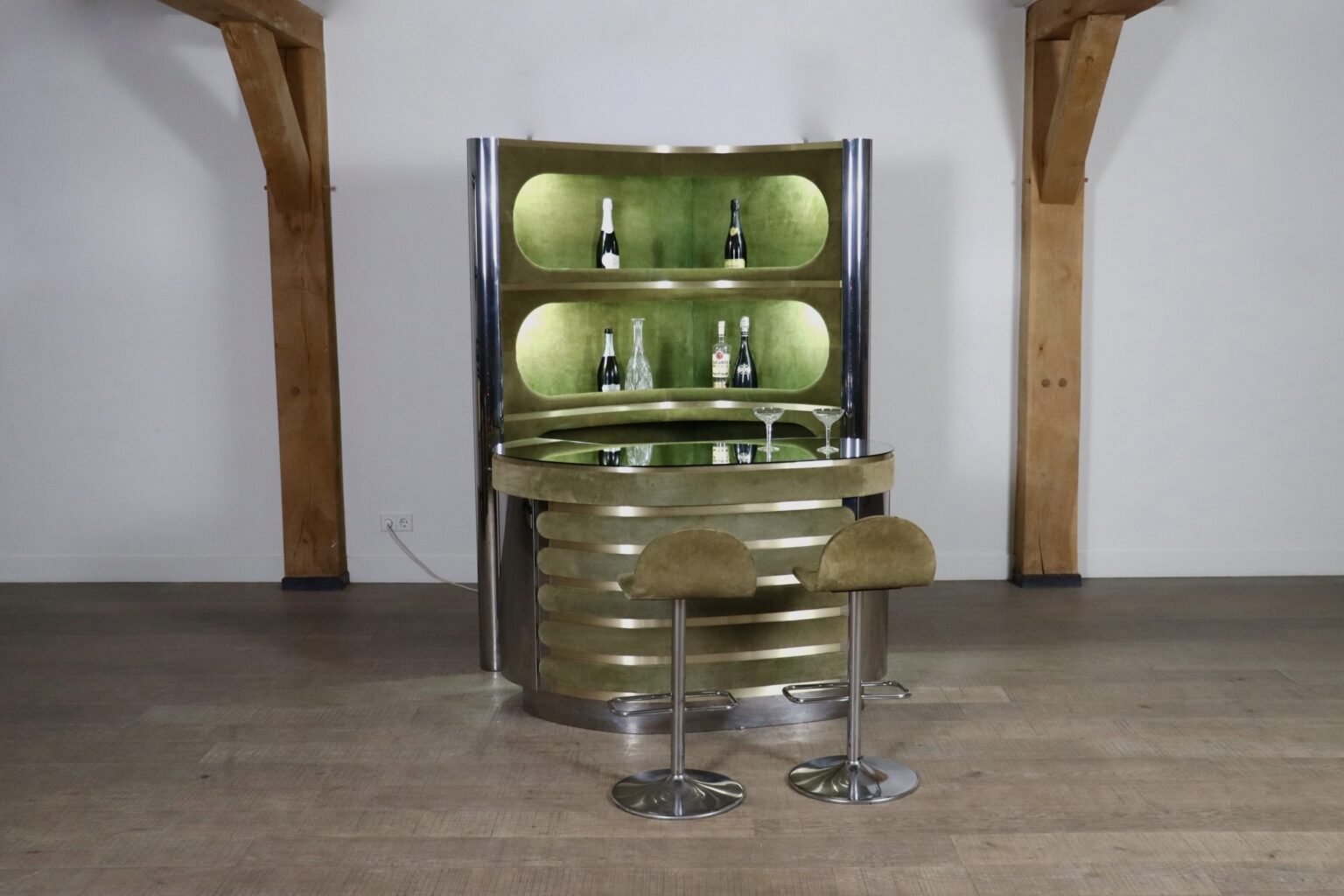
At VintageBoutiqueAbcoude, we present a curated collection of authentic Willy Rizzo furniture each piece chosen for its craftsmanship, materials, and timeless statement. Our forever favorite statement piece has got to be the iconic Willy Rizzo dry bar in suede and chrome!