 Programma 101
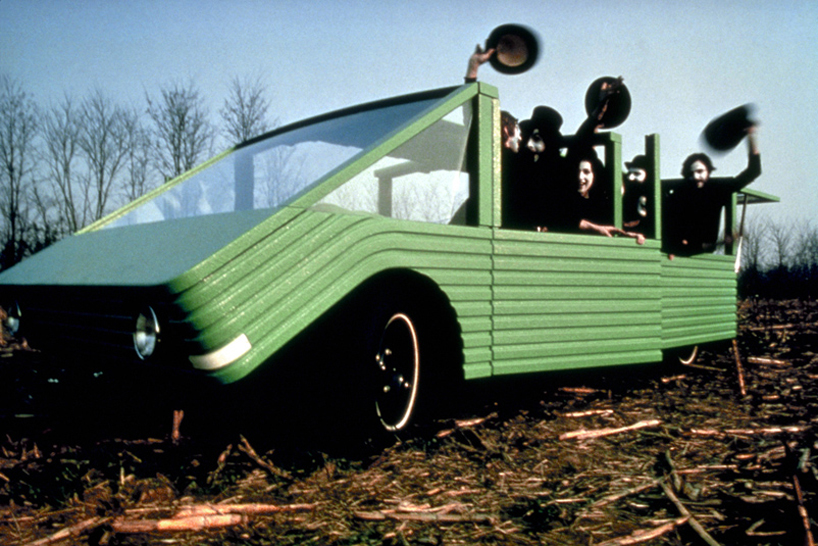 ‘(the kar-a-sutra car) is not a real product. it’s something to talk about the meaning of moving.’
 Mario Bellini: Designer. The Museum of Modern Art, New York (© Mario Bellini Archive)
 Personal 55 Portable typewriter
Some of Bellini’s Early works and MoMa exhibition feautures
Mario Bellini: Life and Early Career
Mario Bellini was born in Milan, Italy, in 1935, and graduated in architecture from the Politecnico di Milano in 1959. In the early 1960s, Bellini began collaborating with major Italian design companies such as Olivetti, where he developed office machines that combined technology with aesthetic clarity, a signature that would define much of his later work. which he joins in 1963 as chief consultant for design. Among his several objects the most surprising is probably the “Programma 101”, which is commonly regarded as the first personal computer in history.
By the mid-1980s, Bellini had become a central figure in the international design scene. From 1985 to 1991, he served as Editor-in-Chief of Domus magazine, one of the most respected voices in architecture and design publishing. Through his editorial work, he deepened the discourse between form, function, and culture, helping shape the direction of contemporary design thought. Bellini’s early years reveal a designer grounded in architectural discipline, yet always attuned to the human experience.
This balance continues to characterise his work today.





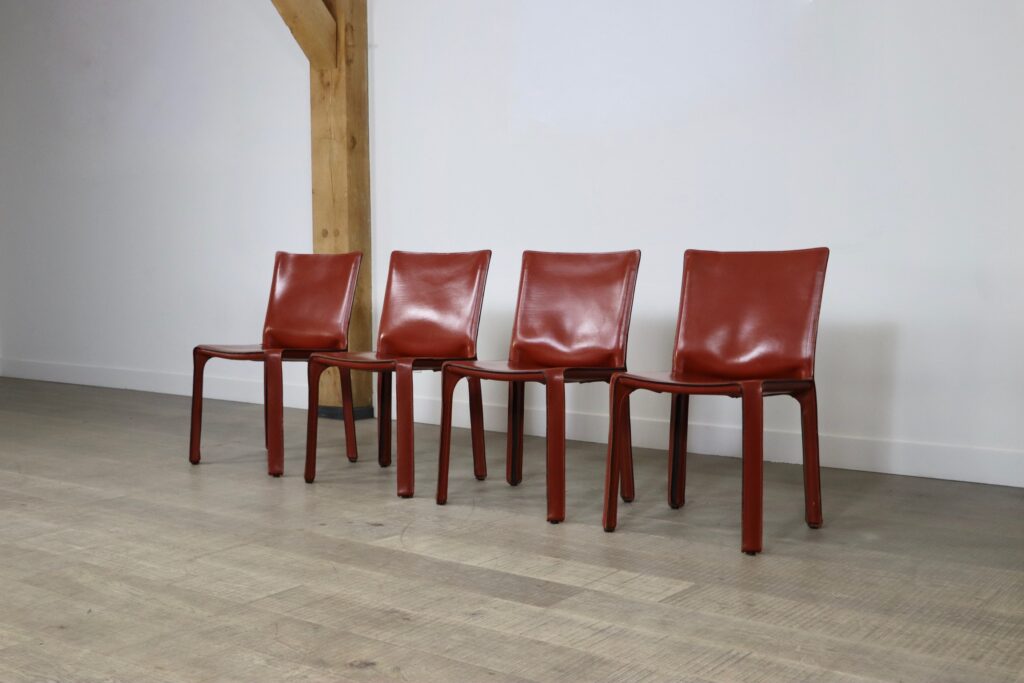
Design Influence and Recognition
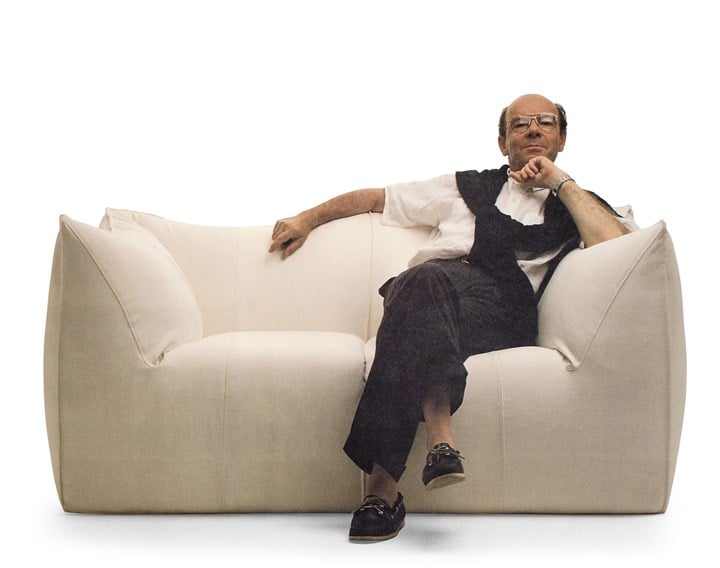
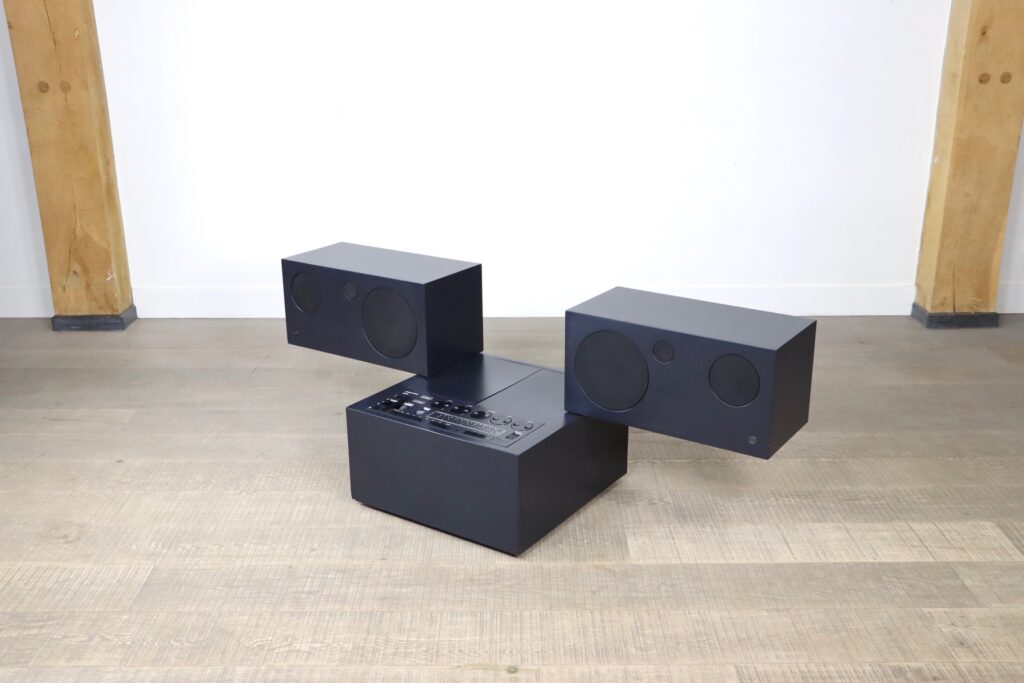
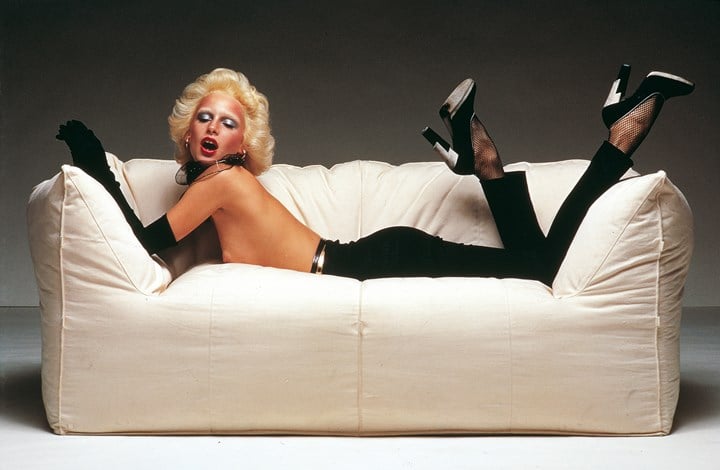
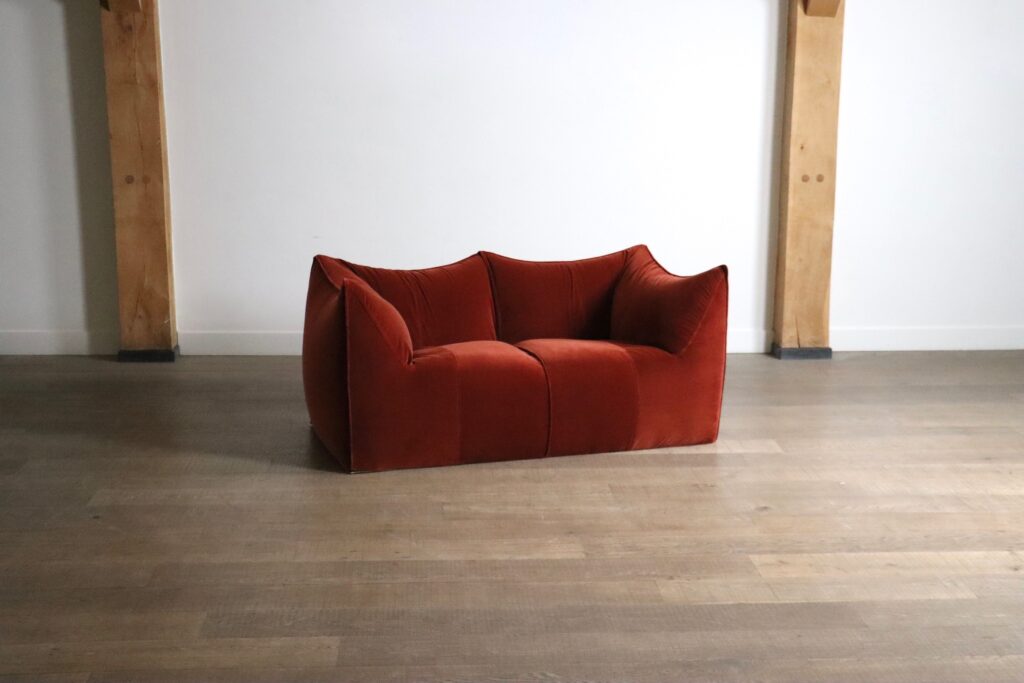
Bellini’s collaborations with major Italian and European firms multiply throughout the 1970s: His collaborations with B&B Italia, Cassina, and Vitra resulted in some of the most celebrated pieces of the 20th century, including the iconic Le Bambole series, Camaleonda sofa, CAB chairs and much more. Over his career, Bellini has been awarded the Compasso d’Oro eight times, and 25 of his works are part of the permanent collection of MoMA in New York, which also dedicated a major retrospective to him in 1987.
Architectural Vision
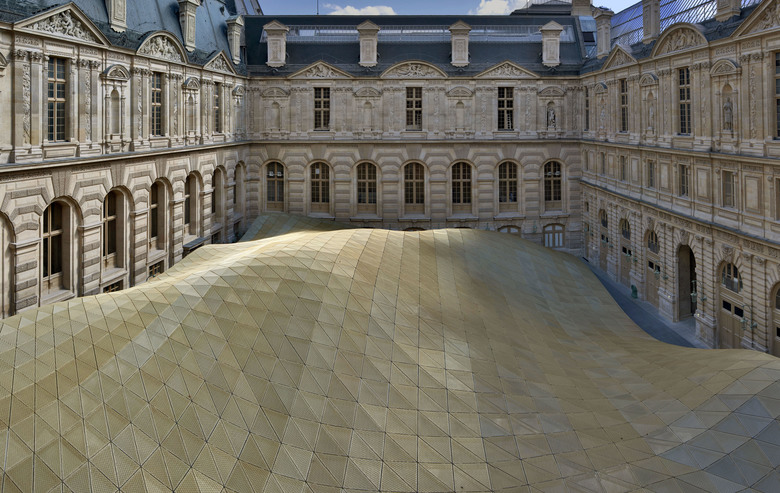
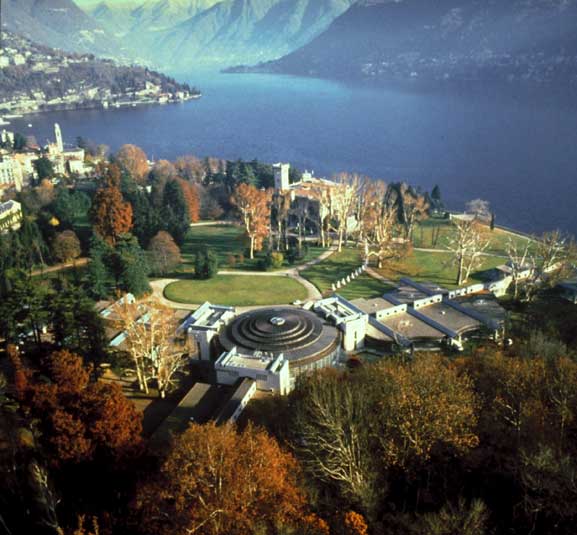
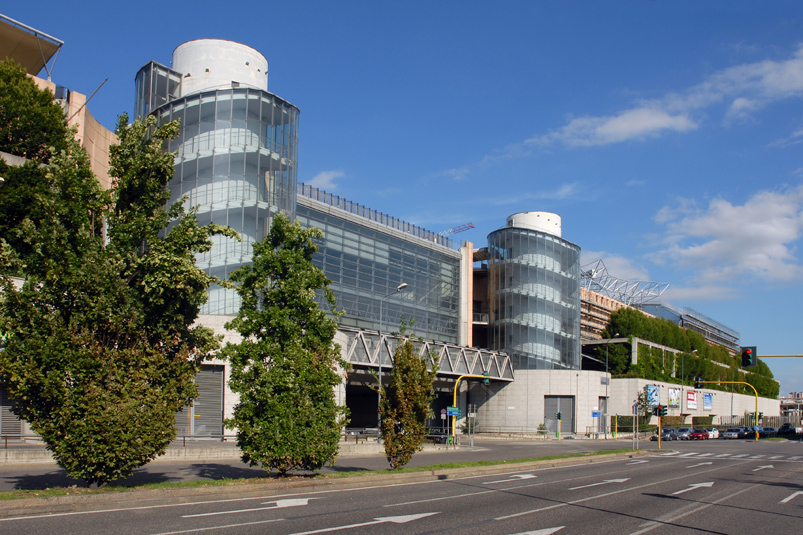
From the 1980s onwards, Bellini increasingly focused on architecture, realising projects that combine structure and fluidity in equal measure. His notable works include the Portello Trade Fair district in Milan, the Villa Erba Exhibition Centre in Cernobbio, the Tokyo Design Centre, and the Department of Islamic Art at the Louvre in Paris. Each of these projects shows his signature balance between spatial logic and emotional experience, transforming public architecture into environments that invite reflection and movement. In 2015, the Milan Triennale honoured him with the Gold Medal for career achievement in architecture, underlining his enduring role in shaping contemporary design.