Pierre Jeanneret PJ-R-27-A 6-Hole File Rack, Chandigarh, 1958

Price: €10.500,-
Pierre Jeanneret PJ-R-27-A 6-Hole File Rack, Chandigarh, 1958
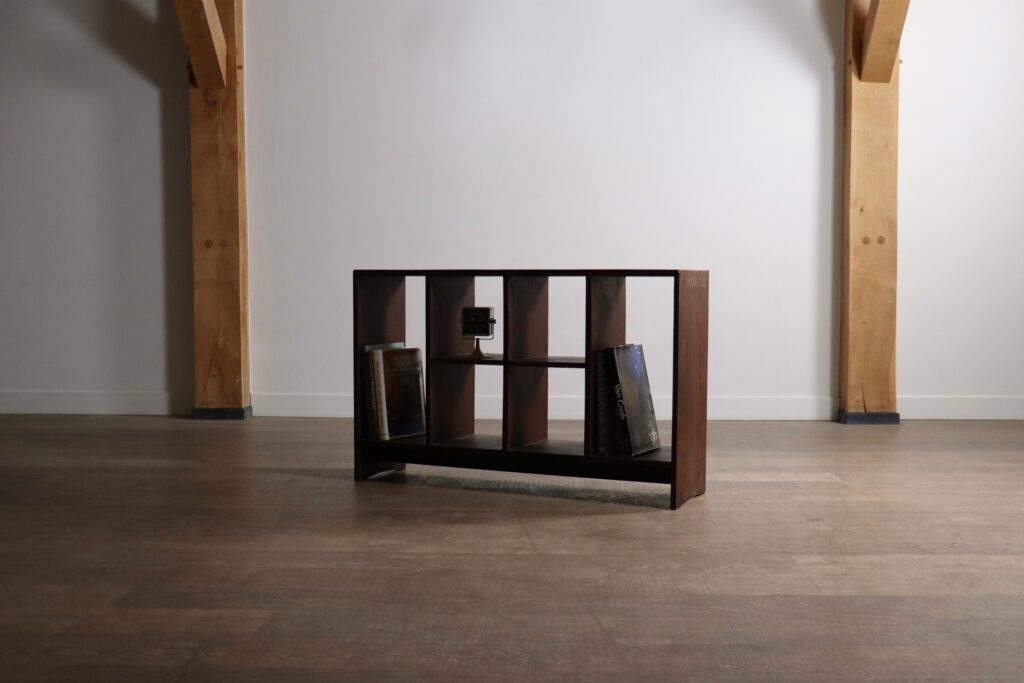
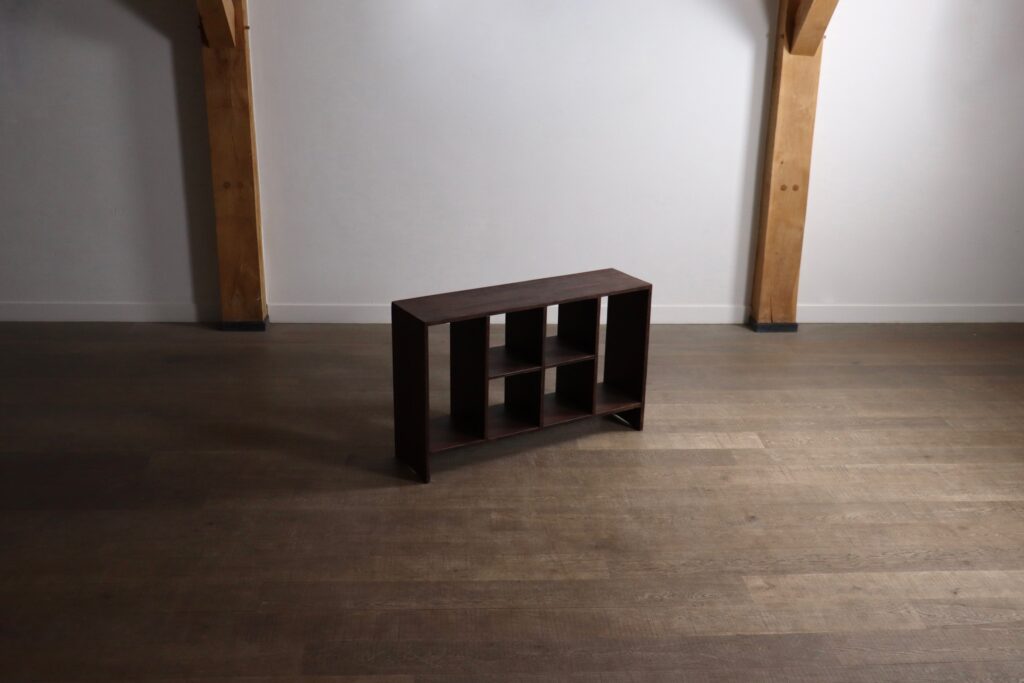
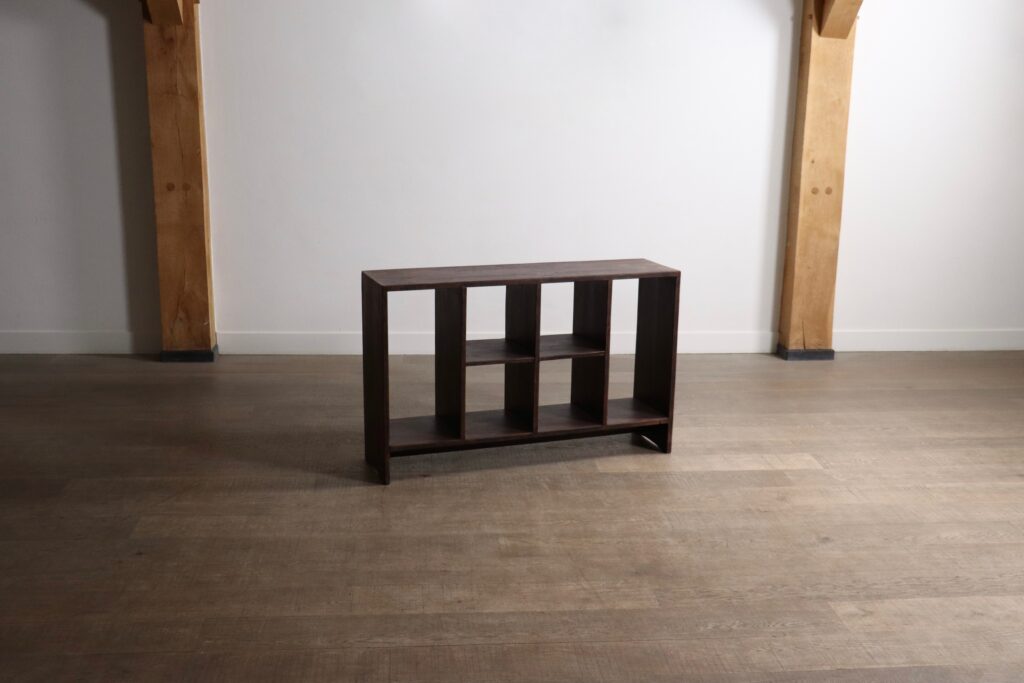
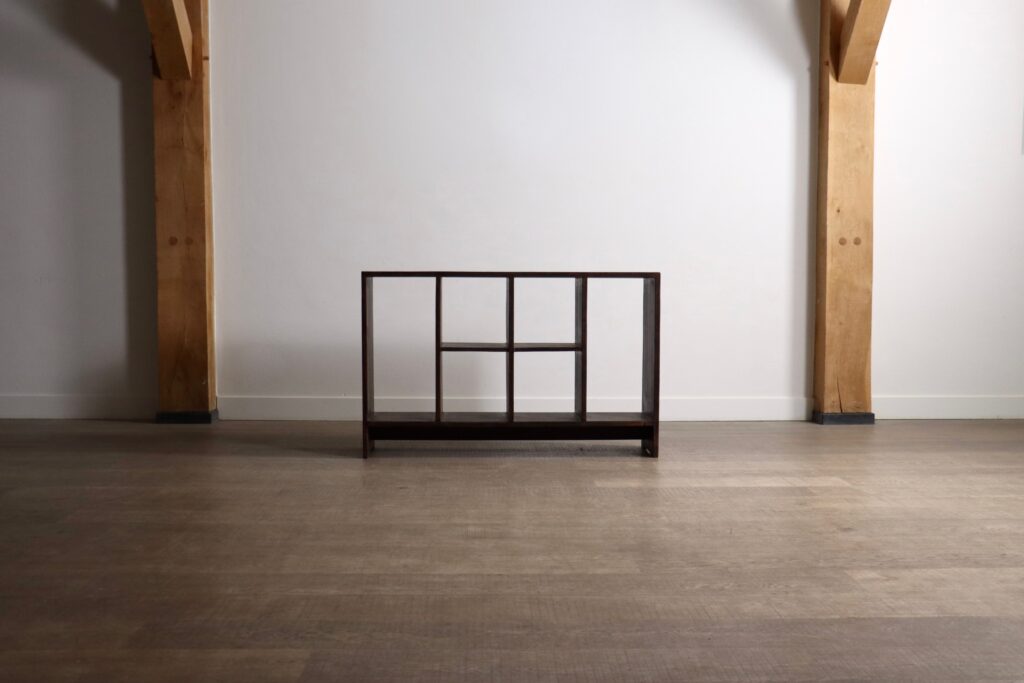
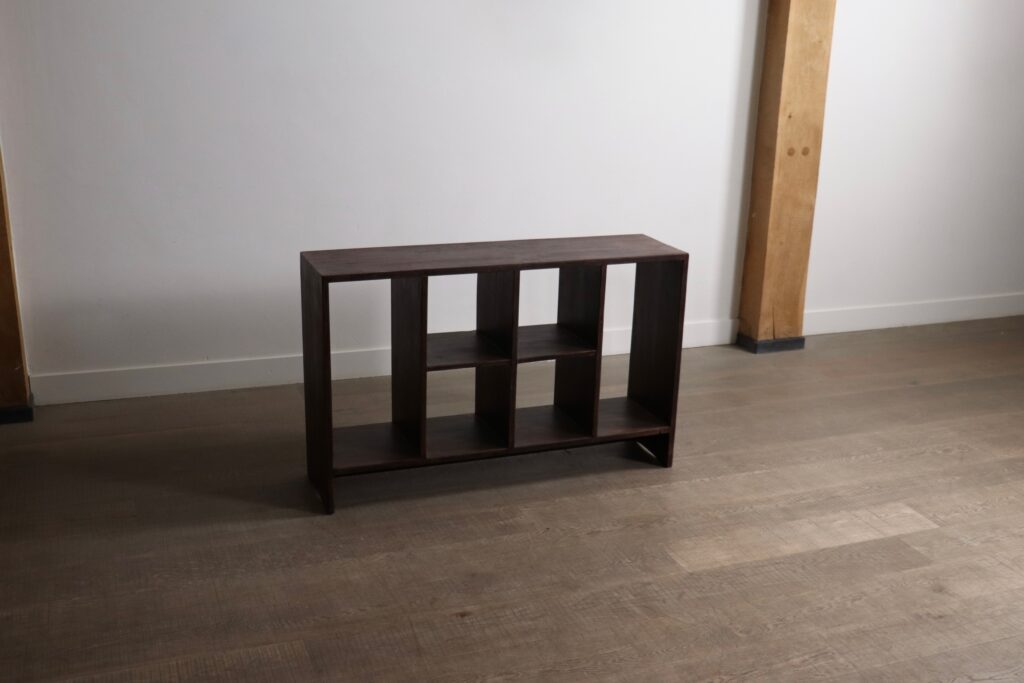
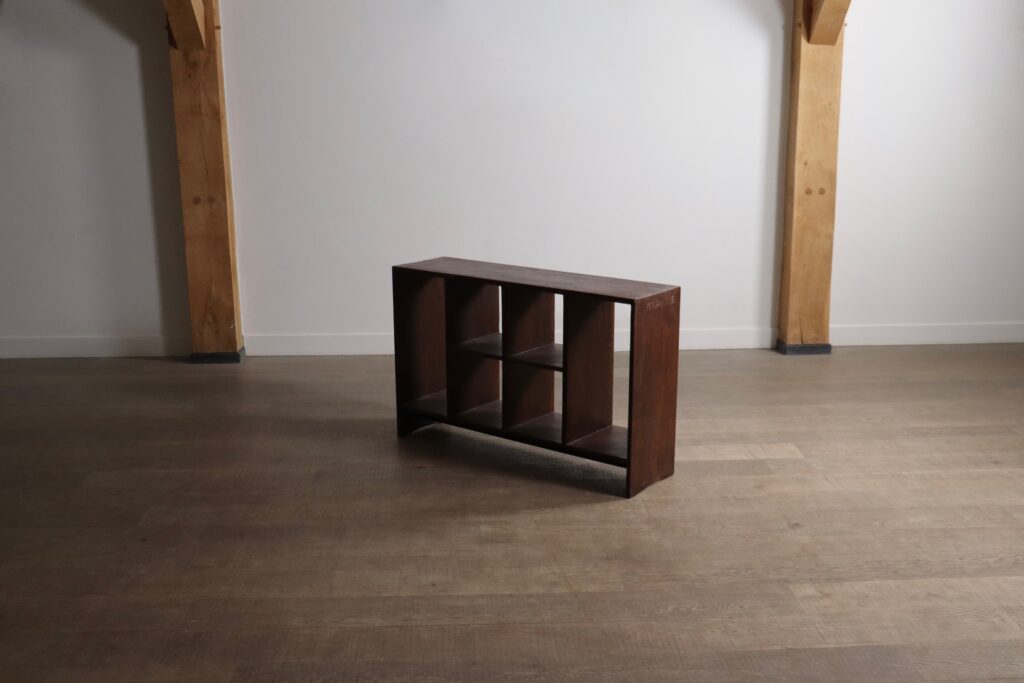
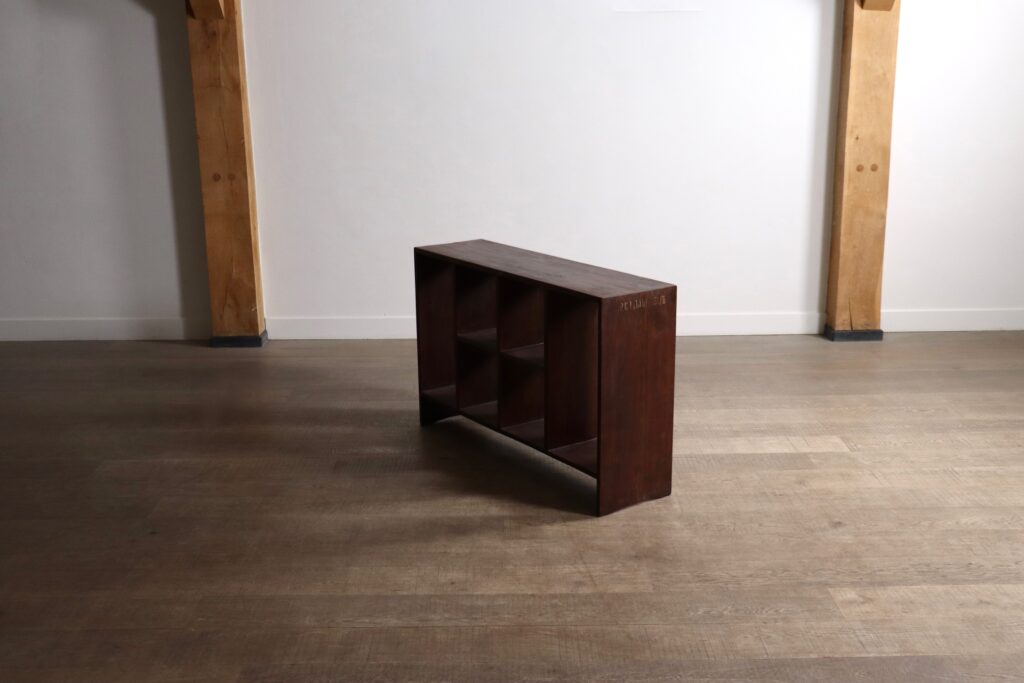
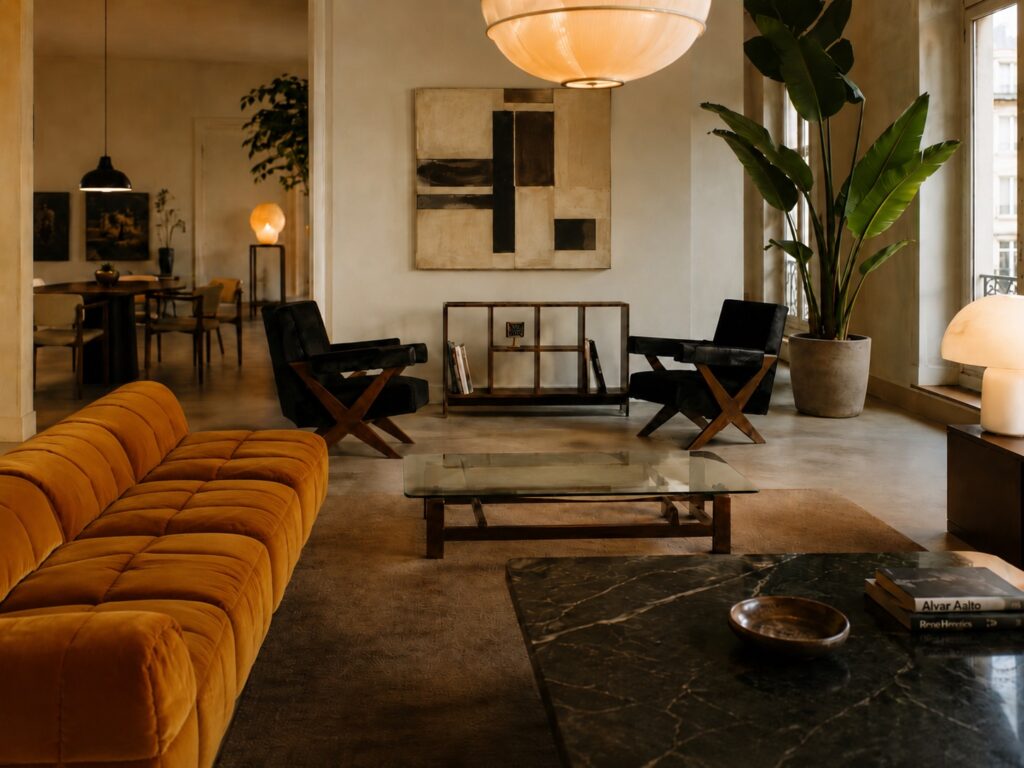
Six-hole File Rack model PJ-R-27-A, designed by Pierre Jeanneret for Chandigarh, India, circa 1958.
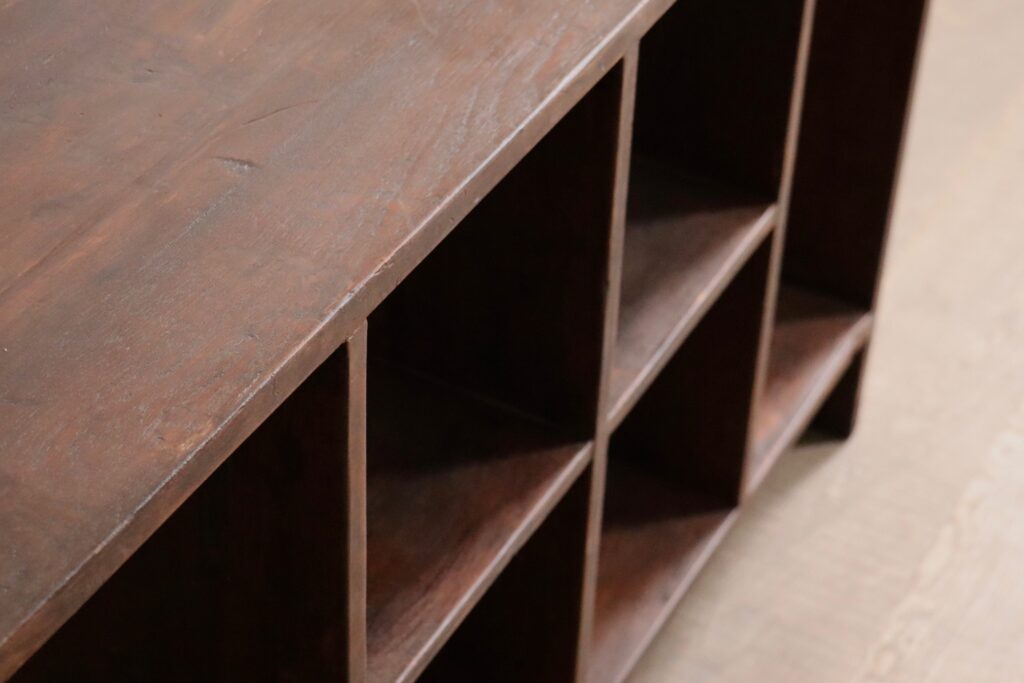
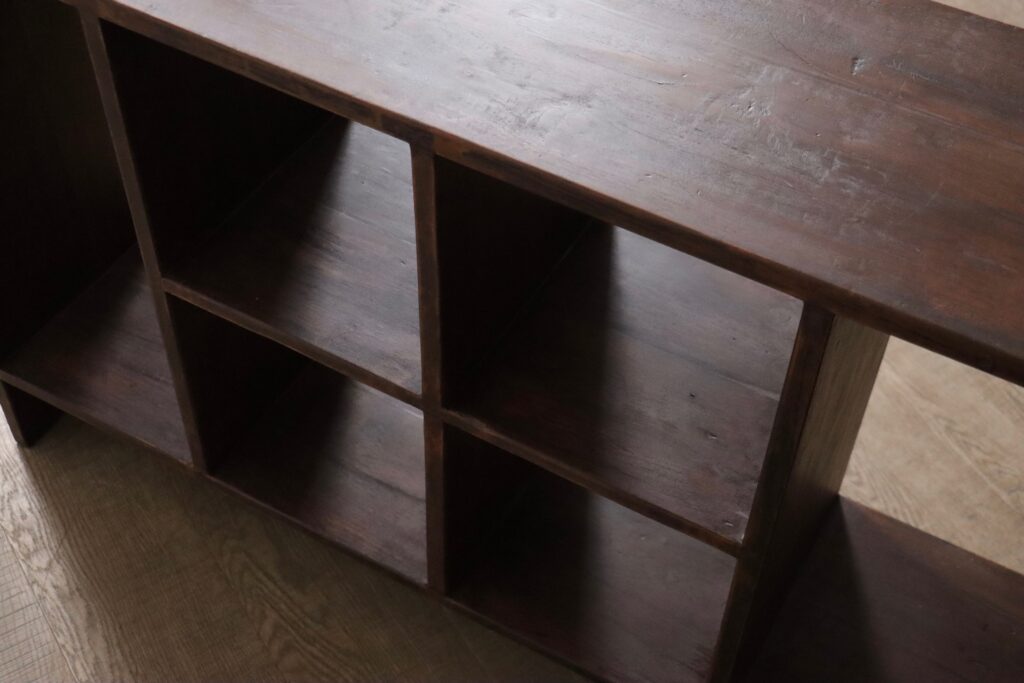
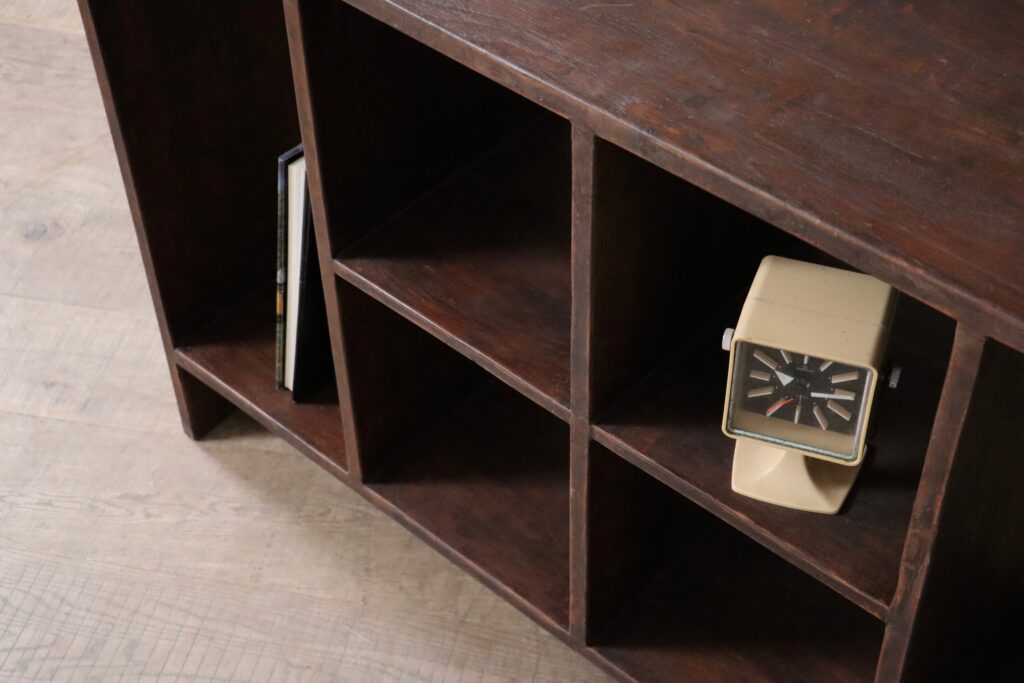
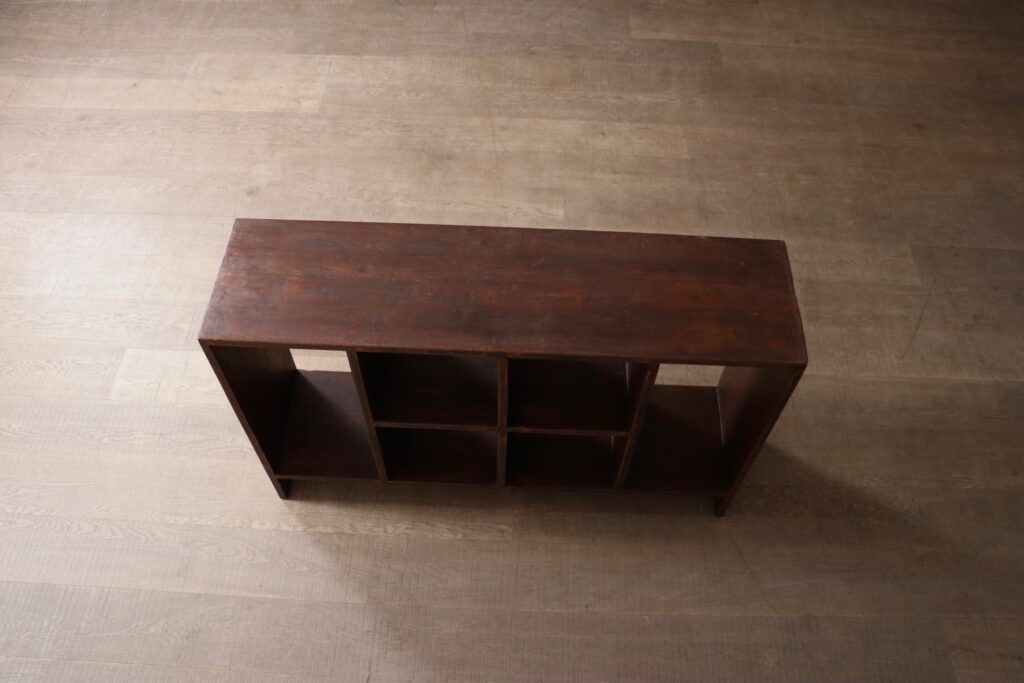
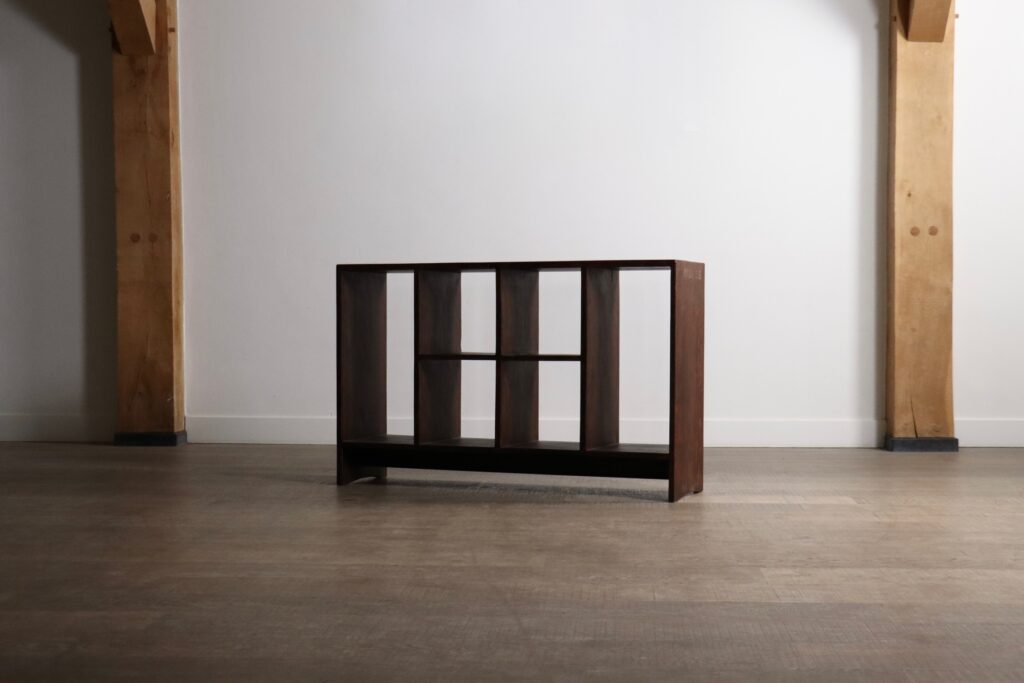
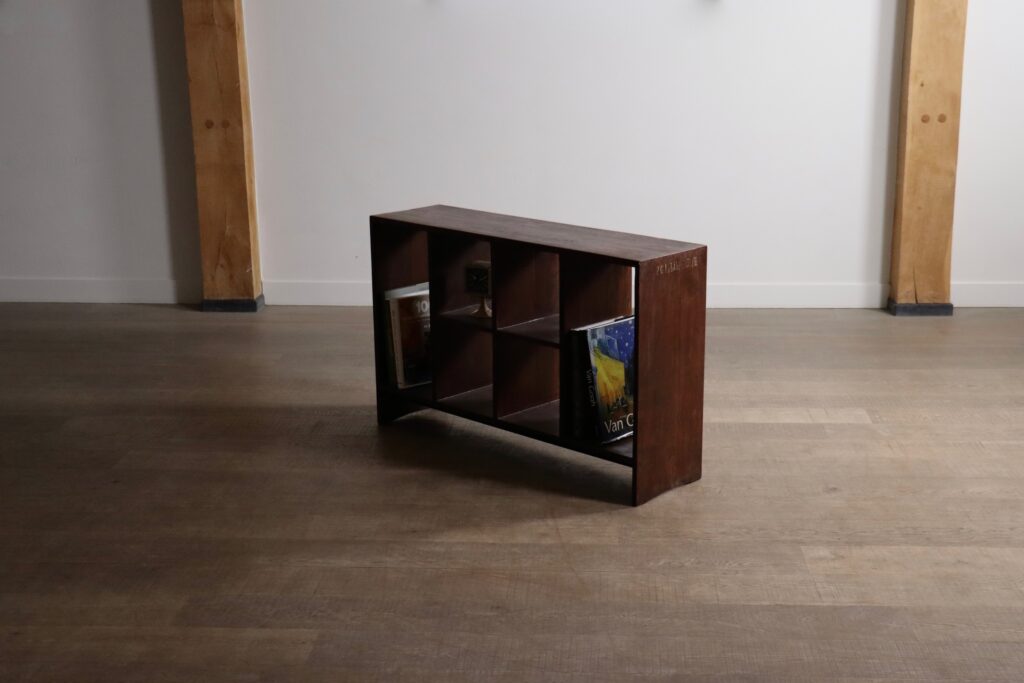
The low storage unit is constructed from solid teak wood. A horizontal shelf and vertical partitions divide the rectangular body into six open compartments, creating a clear architectural grid. The warm grain and deep aged surface of the wood give the restrained construction a strong material presence.
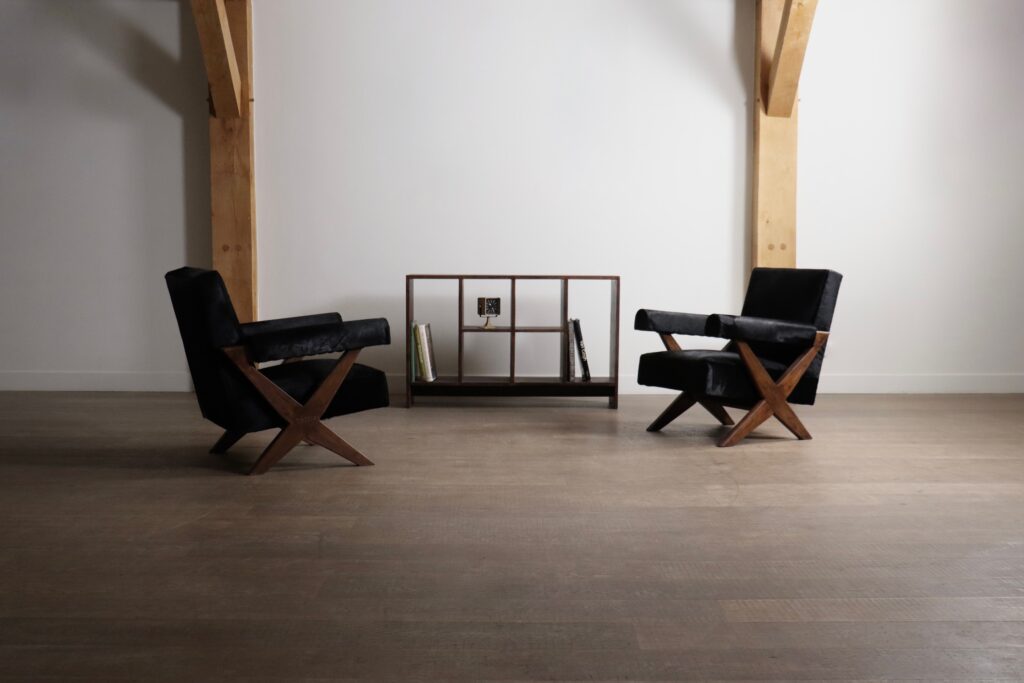
The rack is designed to be accessed from both sides. This double-sided arrangement allowed books, documents and files to remain easily accessible while enabling the piece to stand freely within a library, office or administrative interior. Its compact height also allows it to divide a space without obstructing sightlines.
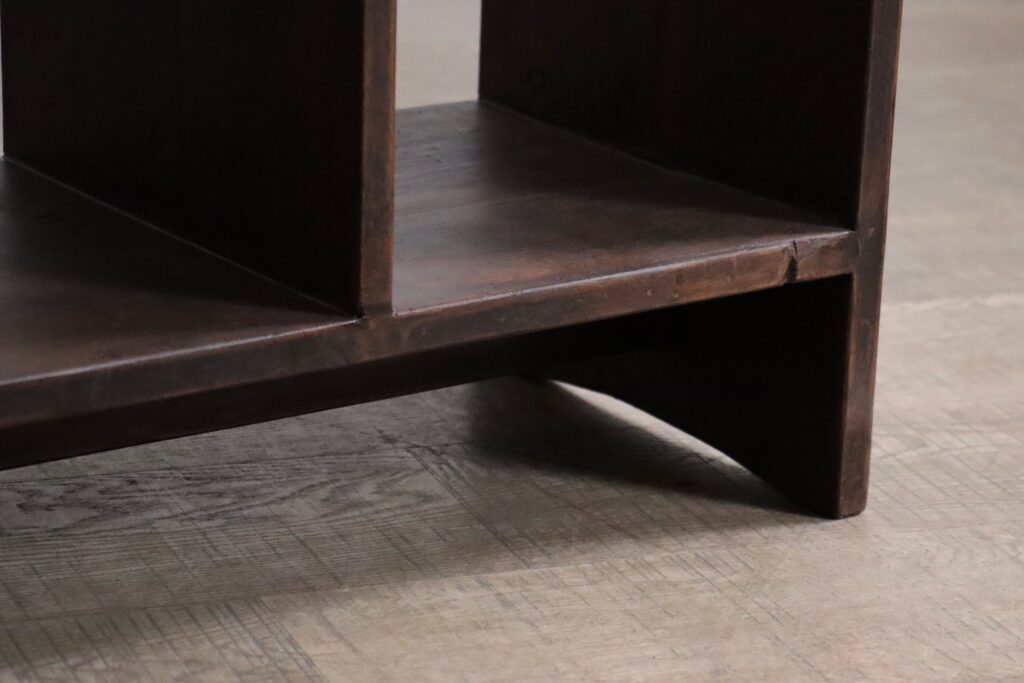
The outer side panels continue downwards to form the legs, making the supporting structure a visible part of the cabinet. This direct construction eliminates unnecessary ornament and gives the file rack the clear structural character found throughout Jeanneret’s furniture for Chandigarh.
Pierre Jeanneret (1896-1967) is recognised as a pivotal figure in modernism. His collaborations with his cousin Le Corbusier are especially significant, particularly their codification of modernist architectural principles in Five Points Towards a New Architecture (1926). Towards the end of their careers the pair also designed a utopian modernist city in India – Chandigarh, and Jeanneret designed some of his most celebrated furniture designs for the administrative buildings in the city.
Appears in the literature: “Le Corbusier, Pierre Jeanneret: Chandigarh, India,” Galerie Patrick Seguin, pp. 248 – 249, 288 and “Le Corbusier, Pierre Jeanneret: The Indian Adventure,” Touchaleaume and Moreau, p. 572.
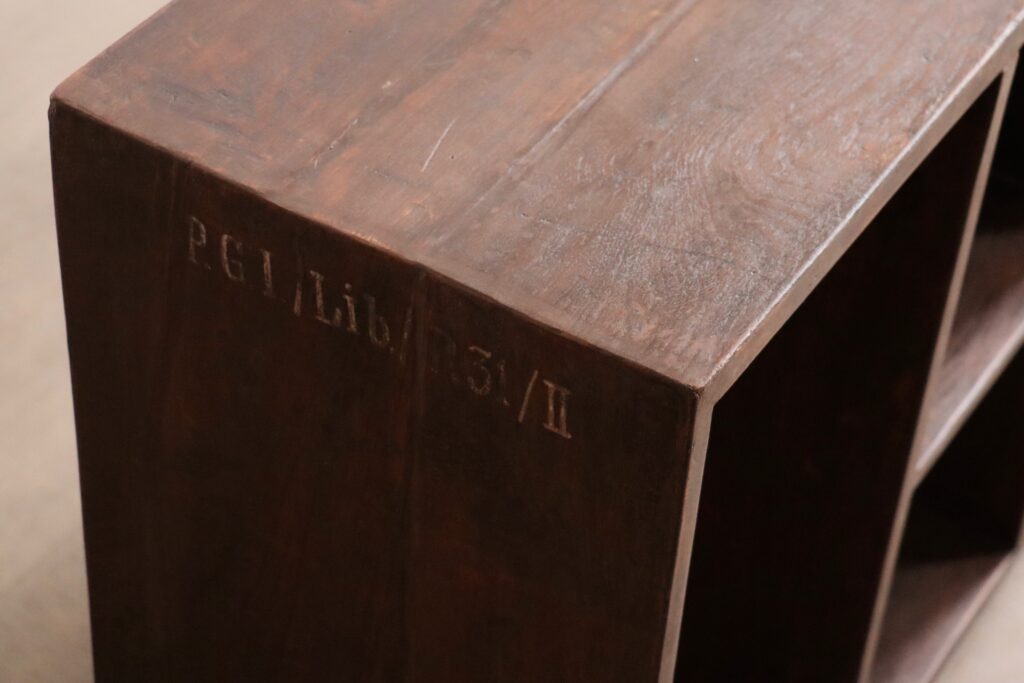
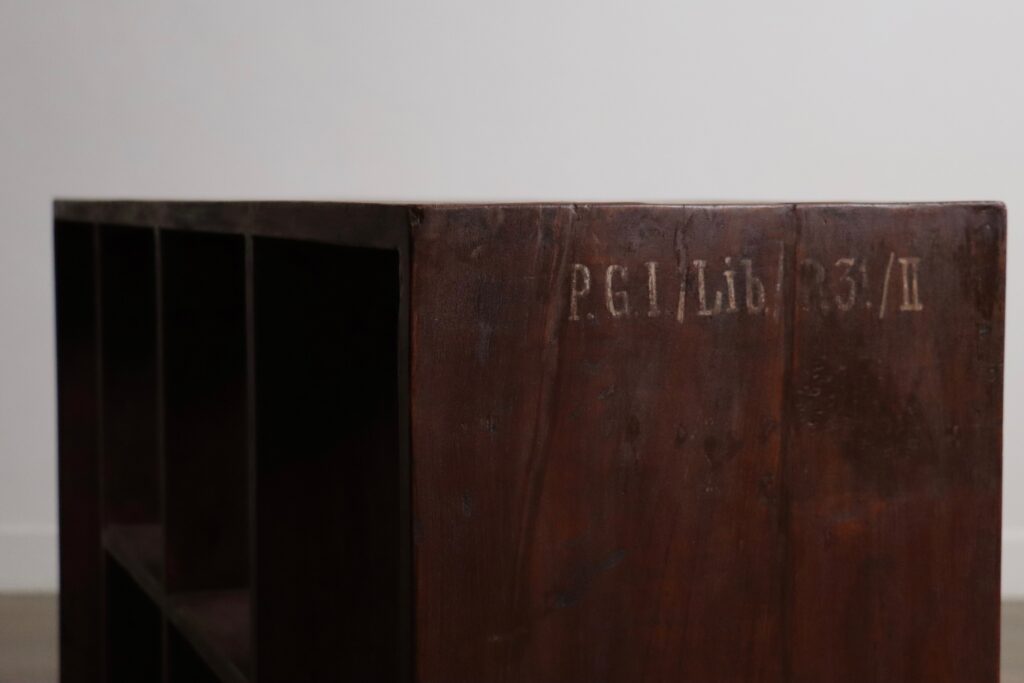
Provenance: Dr. Tulsi Das Library, Postgraduate Institute of Medical Education and Research, Chandigarh, India.